
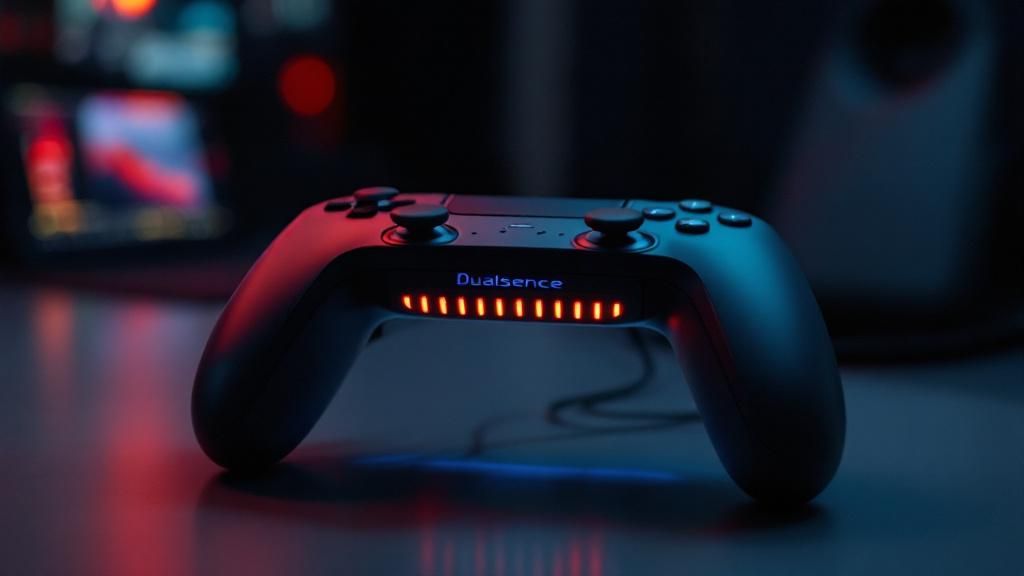
The PlayStation 5’s DualSense controller constitutes a significant advancement in player immersion, reshaping how gamers interact with digital entertainment through cutting-edge tactile feedback technology. This innovative controller goes beyond conventional vibration systems, generating nuanced tactile sensations that dissolve the boundary between digital and physical. From the subtle resistance of a bowstring to the rumble of an engine, the DualSense’s advanced haptic motors deliver unprecedented sensory engagement. This article examines the groundbreaking technologies behind these developments and assesses how they are transforming the landscape of next-generation gaming experiences.
Cutting-edge Haptic Feedback Solutions
The DualSense controller’s haptic response technology embodies a revolutionary advancement in gaming peripheral design, profoundly altering how users experience and connect with virtual environments. Unlike conventional vibration motors, the dual haptic units within the DualSense utilise cutting-edge haptic methods to generate detailed tactile feedback across a wide range of frequency variations and strength levels. This pioneering technique permits developers to create incredibly detailed tactile experiences that adjust continuously to interactive moments, whether simulating the texture of different surfaces, the firing feedback, or the subtle vibrations of world interactions that had previously gone undetected to players.
The mechanics underpinning the DualSense’s haptic effects operates through advanced linear resonant actuators (LRAs) strategically placed within the controller’s grip. These sophisticated components can create haptic effects to remarkable precision, permitting quick frequency shifts and strength variations that create engaging sensory experiences. The system’s capacity to produce both high-frequency tremors and deep rumbles at the same time enables developers to stack various haptic effects, creating immersive tactile sensations that elevate user engagement and participation during long play periods.
Combination of haptic feedback with the controller’s dynamic tension technology creates a comprehensive sensory ecosystem that elevates gameplay to extraordinary levels of realism and interactivity. Players encounter genuine resistance when drawing a bow, with the controller automatically calibrating tension based on dynamic game conditions. This integrated connection between haptic feedback and adaptive triggers ensures that physical feedback feel authentic and responsive, prompting gamers to engage more deliberately with their digital environment and creating more meaningful attachment to gaming narratives.
The intricacy of the DualSense’s haptic implementation goes further than simple vibration patterns, integrating machine learning algorithms that evaluate gameplay data in real-time. This intelligent system refines haptic output based on player-specific settings, in-game environments, and in-game situations, delivering bespoke haptic feedback. Developers can access extensive feedback design systems that enable the creation of bespoke feedback patterns, allowing unparalleled design flexibility in crafting engaging interactive gameplay that respond authentically to player actions and environmental dynamics.
Industry adoption of DualSense haptic technology has catalysed a core shift in how games are designed, with developers more and more prioritising tactile feedback as a central part of gameplay rather than a supplementary feature. Leading titles demonstrate the game-changing possibilities of advanced haptic technology, illustrating how refined haptic effects enhance player agency and emotional engagement. As developers keep investigating the technology’s capabilities, haptic feedback is set to be an indispensable component of next-generation gaming, fundamentally reshaping how players perceive and interact with interactive entertainment across diverse genres and experiences.
Adaptive Trigger Innovation and Immersive Gameplay
The DualSense controller’s adaptive triggers showcase a fundamental change in video game design, introducing adjustable tension that dynamically adjusts to gameplay situations. These sophisticated mechanisms allow game creators to recreate authentic physical sensations, from drawing a bow to accelerating a vehicle, delivering immersive haptic sensations. Players experience genuine resistance that responds to gameplay mechanics, converting button presses into contextual actions that enhance engagement and immersion throughout gameplay experiences.
Variable Resistance and Player Engagement
Adaptive triggers significantly alter how players engage with virtual environments by offering incremental resistance that reflects actual-world physics. Whether wielding a gun, managing mechanical systems, or performing intricate actions, the triggers’ variable tension creates authentic physical responses. This advancement ensures that every control input feels deliberate and substantive, significantly enhancing the perception of involvement within game worlds and strengthening player engagement in gameplay narratives.
The technology allows creators to build complex interactive systems once unachievable with conventional controllers. Dynamic triggers enable precise difficulty tuning, where resistance increases proportionally to gameplay challenges, providing intuitive feedback without visual cues. This smooth combination of haptic response and gameplay systems produces more responsive controls, decreasing mental effort and allowing users to focus entirely on immersive gaming.
Industry Impact and Future Possibilities
Adaptive trigger technology has sparked broad sector uptake, with developers across multiple platforms acknowledging its transformative potential. From action-adventure titles to sports simulations, this development has become central to contemporary game design, enhancing production values and player satisfaction. The technology’s versatility demonstrates how thoughtful hardware innovation can significantly redefine gaming experiences and establish fresh sector benchmarks for immersion.
Looking forward, adaptive trigger technology promises even greater sophistication as developers harness its capabilities. Future implementations may incorporate machine learning algorithms that personalise resistance patterns based on individual player preferences and skill levels. This progressive strategy ensures gaming experiences remain fresh and engaging, cementing the DualSense’s position as a foundational innovation driving next-generation gaming innovation forward.
Next-Generation Gaming Experiences
The DualSense controller’s haptic feedback system is poised to establish fresh industry benchmarks, with developers increasingly acknowledging its ability to enrich storytelling and player engagement. As game design evolves, haptic feedback will become integral to story delivery, letting players tangibly experience emotional beats and world shifts. This shift promises to revolutionise gaming from a chiefly visual and audio medium into a fully multisensory experience that enthrals audiences in unprecedented ways.
Looking forward, the combination of haptic technology with artificial intelligence and machine learning algorithms will enable controllers to modify sensations in real time according to player conduct and preferences. Such developments could create personalised gaming experiences where physical sensations adapt responsively to personal play styles, difficulty settings, and emotional involvement. This coming together of technologies constitutes an thrilling frontier where gaming becomes increasingly immersive and responsive to every player’s specific needs.
The DualSense controller demonstrates how thoughtful innovation can fundamentally reshape interactive entertainment. As developers remain engaged in haptic possibilities and consumers embrace these immersive features, the gaming industry will inevitably undergo a revolutionary period. The future holds gaming experiences that transcend traditional boundaries, delivering remarkable degrees of immersion and engagement that will reshape player expectations for generations to come.
