
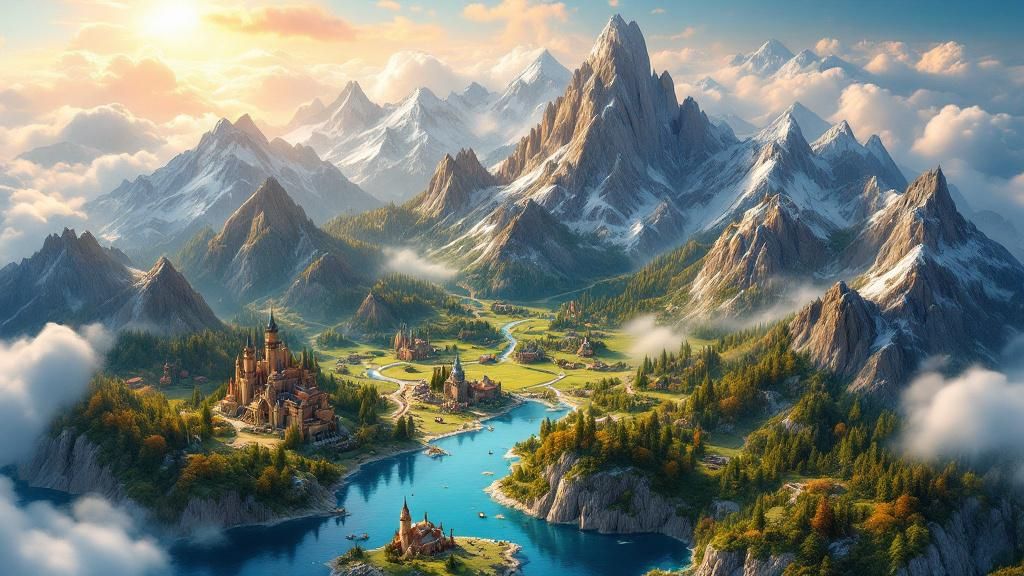
PC Gamer has unveiled a new gaming trivia challenge that tests players’ knowledge of iconic videogame world maps. The quiz displays 20 images from virtual environments from well-known titles, giving participants just 15 minutes to recognise each location based solely on their spatial design. Some images show greater clarity than others, and not all worlds appear in their complete form, making the quiz appropriate for casual players and serious map enthusiasts alike. The quiz takes cues from the magic of discovering new lands through in-game maps—a experience far more preferable to actual wayfinding difficulties. Players are invited to share their scores in the comments and debate which in-game locations have made the strongest impact on them.
The Science of Videogame Map Design
Videogame in-game maps have become far more than mere directional guides—they’re artistic creations that capture the imagination and shape the full gaming experience. From the instant gamers open a digital map, they’re immersed in intricately designed worlds brimming with fantasy town names, mysterious landmarks, and geographical wonders. These fictional GPS systems serve as gateways to exploration, providing views into undiscovered lands and concealed treasures waiting to be discovered. The wonder of discovering a new world map for the first time remains unmatched in video games, creating a sense of wonder that surpasses the annoyance of actual-world directions.
What makes videogame map design so engaging is how it communicates storytelling and environment creation through visual design alone. A expertly designed map conveys tales about empires, tensions, and peoples without any spoken dialogue. Players can map out trading networks, identify defensive positions, and reconstruct the history of imaginary realms simply by studying the layout of continents and kingdoms. This visual storytelling approach has progressed considerably over extended periods, from basic pixelated designs to magnificent, complex creations that players happily dedicate time to studying. The finest videogame cartography don’t just indicate destinations—they provoke wonder and encourage exploration of every corner.
- Standout maps from Final Fantasy, Elder Scrolls, and Baldur’s Gate franchises
- Memorable locations including Midgard, Ishgard, and numerous fantasy kingdoms
- Maps that showcase world lore and historical development via geography alone
- Interactive mapping that converts navigation into a deeply engaging gaming experience
Assessing Your Gaming Locations Understanding
PC Gamer’s newest quiz tests players to recognise 20 iconic videogame worlds based solely on their world map screenshots. With just 15 minutes to spare, participants must draw upon their video gaming expertise to recognise familiar landscapes and spatial arrangements. Some images provide more obvious clues than others, whilst certain maps display limited sections of their imaginary realms. Whether you’re a veteran map reader or a player who rarely checks at the map screen, this challenge offers an engaging assessment of your ability to identify gaming’s most cherished worlds at a glance.
The quiz showcases the creative craftsmanship that underpins building videogame world maps, from sprawling fantasy continents to intricate dungeon networks. Players are invited to discuss their scores and explore which maps have left the most lasting impressions across their gaming experiences. The challenge isn’t about possessing perfect geographical knowledge—it’s about recognising the fictional worlds that have engaged gamers over the years. Regardless of your performance or struggle with a handful of lesser-known areas, the exercise functions as a delightful reminder of gaming’s greatest environmental designs.
What Renders a Map Distinctive
Standout videogame maps feature recognisable aesthetic elements that immediately transport players into their imaginary realms. The finest instances showcase distinctive points of interest, distinctive terrain elements, and carefully designed layouts that capture the story and worldbuilding. Whether it’s the snow-covered peaks of a Northern setting or the vast sandy expanses of an historic culture, these visual signatures stay deeply ingrained in players’ memories. A genuinely memorable location conveys its realm’s character through landscape design alone, making it instantly identifiable even long after players have beaten the game.
The affective connection players form with videogame maps arises out of the quests they’ve completed within those worlds. Maps develop connections with iconic adventures, challenging boss battles, and pivotal story moments, converting basic spatial layouts into repositories of memory. When players see a known map visual, they’re not merely identifying landscape—they’re reconnecting with experiences and emotions tied to their time exploring that realm. This powerful association between map and memory means the finest game map design endures in players’ minds long after the credits roll.
Legendary Realms That Shape Gaming
| Game Title | Map Significance |
|---|---|
| Final Fantasy VII | Introduced players to the expansive world of Midgard, featuring diverse regions from industrial cities to mystical forests |
| The Legend of Zelda: Ocarina of Time | Established the template for epic adventure maps with interconnected dungeons and hidden secrets across Hyrule |
| World of Warcraft | Created an immersive persistent world where players navigate between kingdoms like Lordaeron and Kalimdor |
| Skyrim | Presented a vast Nordic landscape filled with towering mountains, ancient ruins, and countless discoverable locations |
| Dark Souls | Crafted an intricately interconnected world where geography itself becomes a puzzle and source of environmental storytelling |
| Baldur’s Gate 3 | Offers sprawling fantasy realms with multiple distinct regions that reflect the game’s diverse narrative possibilities |
Iconic videogame maps form the basis upon which remarkable gaming experiences are created. These worlds go beyond mere functional navigation tools, transforming into characters in their own right within gaming narratives. From the moment players catch sight of their destination on a map, they’re emotionally invested in the journey ahead. The greatest maps blend visual distinctiveness with practical design, ensuring players can both admire their beauty and move through them naturally. They transform exploration from a chore into an quest, fostering curiosity and motivating adventurers to explore past the beaten path in search of hidden treasures and secret locations.
Why We Appreciate Discovering Digital Environments
Videogame world maps feature a unique charm that transcends their practical purpose as directional guides. There’s something genuinely magical about unfurling a digital map for the first time, discovering imaginative location titles and mysterious landmarks that spark the imagination. Unlike their physical equivalents—where getting lost might mean missing your turn—game maps invite exploration and benefit inquisitive players. They transform the simple act of moving from one location to another into an adventure, creating a sense of discovery that maintains player interest long after the initial novelty wears off. This emotional connection between gamer and location is what separates unforgettable game moments from forgettable ones.
The creative vision behind celebrated game mapping cannot be overstated. Developers invest considerable effort into creating visually unique environments that appear authentic and linked, whether it’s the industrial sprawl of Midgard or the Scandinavian summits of Skyrim. These maps act as unspoken guides, communicating the game’s tone and atmosphere through geography alone. A carefully planned environment invites players to consider: What lies beyond that mountain range? Why is that region enveloped in gloom? This sense of mystery and possibility keeps discovering new areas engaging, even in games we’ve played dozens of times. The best maps combine visual appeal with user-friendly layout, ensuring players wish to uncover every area.
- Maps establish deep bonds to fictional worlds that linger in player memory
- Distinctive geography enables players traverse whilst sustaining aesthetic appeal and immersion
- Hidden locations and secret areas acknowledge curiosity and promote thorough exploration
- Environmental storytelling via terrain composition conveys narrative absent of dialogue
- Interconnected world design transforms navigation into a puzzle-solving adventure
Test Your Abilities and Post Your Outcomes
PC Gamer’s newest gaming quiz tests your familiarity with legendary gaming locations to the final challenge. You’ll have fifteen minutes to identify 20 distinct games based solely on images from their imaginary worlds. Certain visuals provide clearer clues than the rest, and you won’t always see complete maps in full, but true gaming cartographers should find the challenge straightforward. If you’re a seasoned RPG enthusiast or a relaxed adventure gamer, this quiz is designed to assess your familiarity with gaming’s most beloved and recognisable locations. It’s the perfect opportunity to discover exactly how much you know the virtual worlds you’ve ventured through.
Once you’ve finished the challenge, the exciting part begins. Post your scores in the comments section below and let the PC Gamer community know how you fared. Did you ace it with a flawless result, or did a few lesser-known locations catch you out? Beyond your results, we’d love to hear your views about which videogame world maps are most memorable in your memory. What causes particular fictional landscapes more unforgettable than others? Your observations might encourage other players to revisit beloved games or explore fresh environments worth exploring.
